
Ledeko Interiors and projects

How to Plan Budget-Friendly Interiors for Your Home and Office

Creating a well-designed space does not always mean spending a large amount of money. Many people think that interiors are expensive, but in reality, a good plan can help you achieve a stylish and comfortable space within a limited budget. Whether you are designing your home or setting up a workspace, the right approach can make a big difference.Budget-friendly interiors are not about cutting corners. They are about making smart choices, understanding your needs, and using resources wisely. With careful planning, you can create a space that looks good, feels comfortable, and serves its purpose without unnecessary expenses. Start with a Clear Plan Before buying anything or making changes, it is important to have a clear idea of what you want. Understand Your Needs Think about how you use your space in your daily life. A home should feel relaxing and practical, while an office should support focus and efficiency. When you know what you need, it becomes easier to avoid spending on things that are not required. Set Your Priorities Not everything has to be done at once. List out what is most important. For example, furniture and lighting may come first, while decor items can be added later. This helps you stay within your budget. Create a Practical Budget Planning your budget wisely helps you avoid overspending. Break Down the Costs Divide your budget into categories such as furniture, materials, lighting, and accessories. This gives you a better understanding of where your money is going. Keep a Small Buffer Unexpected expenses can come up during any project. Keeping a small extra amount aside can help you handle these situations without stress. Choose Materials Wisely Materials play a big role in both cost and appearance. Look for Affordable Options Instead of going for expensive materials, you can choose alternatives that offer a similar look. For example, laminates can give a neat finish at a lower cost compared to solid wood. Focus on Durability Saving money is important, but quality should not be ignored. Choosing materials that last longer will reduce maintenance and replacement costs in the future. Plan Your Furniture Carefully Furniture is one of the main elements in any interior space Choose Only What You Need Avoid filling the space with too many items. Select furniture that is necessary and suits your daily use. This not only saves money but also makes the space look clean Use Multi-Purpose Furniture Furniture that serves more than one purpose is a good choice for budget-friendly interiors. For instance, choosing a bed with built-in storage or a foldable table can help save both space and money. Make the Most of Lighting Lighting can change the overall feel of a space without requiring a large budget Use Natural Light Use natural light effectively to make your space feel more lively. It makes the room look bright and reduces the need for artificial lighting during the day. Keep Artificial Lighting Simple Instead of using many decorative lights, focus on basic lighting that serves the purpose. Simple designs can still look neat and effective. Keep the Design Simple Simple designs are often more practical and cost-effective Avoid Over-Designing Too many design elements can increase costs and make the space look crowded. A simple approach keeps the space neat and easy to maintain Use Neutral Colours Neutral colours like white, beige, and grey are easy to work with and do not go out of style. They also make rooms appear more open and bright. Add Personal Touches Slowly Decor and styling can be done over time. Start Small It’s okay to work on it gradually instead of all at once. Begin with basic elements and add decorative items later. Use What You Already Have Sometimes, items you already own can be reused or rearranged. This helps save money and adds a personal touch to your space. Think Long-Term A good interior plan should work well for years Invest Where It Matters Spend a little more on items that you use daily, such as seating or work areas. These should be comfortable and durable. Avoid Frequent Changes Frequent redesigning can become expensive. Choosing a simple and practical design helps you avoid unnecessary changes later. Conclusion Planning budget-friendly interiors is not about limiting your ideas. It is about making thoughtful decisions and using your resources wisely. When you understand your needs, plan your spending, and keep the design simple, you can create a space that is both functional and pleasant. A well-designed space does not depend on how much you spend. It depends on how well you plan and how carefully you choose each element. With the right approach, you can achieve a balanced and comfortable interior without going beyond your budget. Frequently Asked Questions (FAQs) 1. Can I design a good interior with a small budget? Yes, it is possible. With proper planning and smart choices, you can create a functional and attractive space without spending too much. 2. What is the most important part of budget-friendly interior design? Planning is the most important part. When you know your needs and set clear priorities, it becomes easier to manage your budget. 3. How can I reduce interior design costs? You can reduce costs by choosing affordable materials, avoiding unnecessary items, and using simple designs that are easy to maintain. 4. Is it better to complete everything at once? Not always. It is better to focus on essential elements first and add other items gradually as your budget allows. 5. How do I make my space look good without spending much? Keeping the design simple, using neutral colours, and maintaining a clean layout can make your space look neat and comfortable without high expenses.

Creating a well-designed space does not always mean spending a large amount of money. Many people think that interiors are expensive, but in reality, a good plan can help you achieve a stylish and comfortable space within a limited budget. Whether you are designing your home or setting up a workspace, the right approach can make a big difference.Budget-friendly interiors are not about cutting corners. They are about making smart choices, understanding your needs, and using resources wisely. With careful planning, you can create a space that looks good, feels comfortable, and serves its purpose without unnecessary expenses.
Start with a Clear Plan

Before buying anything or making changes, it is important to have a clear idea of what you want.

Understand Your Needs

Think about how you use your space in your daily life. A home should feel relaxing and practical, while an office should support focus and efficiency. When you know what you need, it becomes easier to avoid spending on things that are not required.

Set Your Priorities

Not everything has to be done at once. List out what is most important. For example, furniture and lighting may come first, while decor items can be added later. This helps you stay within your budget.

Create a Practical Budget

Planning your budget wisely helps you avoid overspending.

Break Down the Costs

Divide your budget into categories such as furniture, materials, lighting, and accessories. This gives you a better understanding of where your money is going.

Keep a Small Buffer

Unexpected expenses can come up during any project. Keeping a small extra amount aside can help you handle these situations without stress.

Choose Materials Wisely

Materials play a big role in both cost and appearance.

Look for Affordable Options

Instead of going for expensive materials, you can choose alternatives that offer a similar look. For example, laminates can give a neat finish at a lower cost compared to solid wood.

Focus on Durability

Saving money is important, but quality should not be ignored. Choosing materials that last longer will reduce maintenance and replacement costs in the future.

Plan Your Furniture Carefully

Furniture is one of the main elements in any interior space

Choose Only What You Need

Avoid filling the space with too many items. Select furniture that is necessary and suits your daily use. This not only saves money but also makes the space look clean

Use Multi-Purpose Furniture

Furniture that serves more than one purpose is a good choice for budget-friendly interiors. For instance, choosing a bed with built-in storage or a foldable table can help save both space and money.

Make the Most of Lighting

Lighting can change the overall feel of a space without requiring a large budget

Use Natural Light

Use natural light effectively to make your space feel more lively. It makes the room look bright and reduces the need for artificial lighting during the day.

Keep Artificial Lighting Simple

Instead of using many decorative lights, focus on basic lighting that serves the purpose. Simple designs can still look neat and effective.

Keep the Design Simple

Simple designs are often more practical and cost-effective

Avoid Over-Designing

Too many design elements can increase costs and make the space look crowded. A simple approach keeps the space neat and easy to maintain

Use Neutral Colours

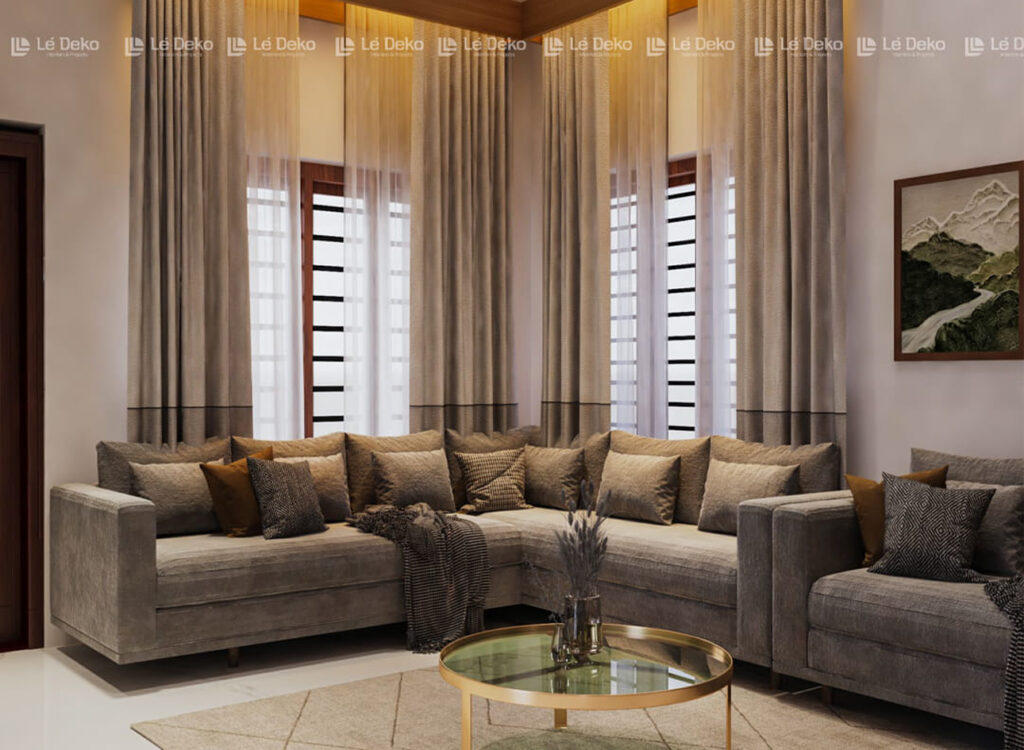
Neutral colours like white, beige, and grey are easy to work with and do not go out of style. They also make rooms appear more open and bright.

Add Personal Touches Slowly

Decor and styling can be done over time.

Start Small

It’s okay to work on it gradually instead of all at once. Begin with basic elements and add decorative items later.

Use What You Already Have

Sometimes, items you already own can be reused or rearranged. This helps save money and adds a personal touch to your space.

Think Long-Term

A good interior plan should work well for years

Invest Where It Matters

Spend a little more on items that you use daily, such as seating or work areas. These should be comfortable and durable.

Avoid Frequent Changes

Frequent redesigning can become expensive. Choosing a simple and practical design helps you avoid unnecessary changes later.

Conclusion

Planning budget-friendly interiors is not about limiting your ideas. It is about making thoughtful decisions and using your resources wisely. When you understand your needs, plan your spending, and keep the design simple, you can create a space that is both functional and pleasant.

A well-designed space does not depend on how much you spend. It depends on how well you plan and how carefully you choose each element. With the right approach, you can achieve a balanced and comfortable interior without going beyond your budget.

Frequently Asked Questions (FAQs)

1. Can I design a good interior with a small budget?

Yes, it is possible. With proper planning and smart choices, you can create a functional and attractive space without spending too much.

Planning is the most important part. When you know your needs and set clear priorities, it becomes easier to manage your budget.

3. How can I reduce interior design costs?

You can reduce costs by choosing affordable materials, avoiding unnecessary items, and using simple designs that are easy to maintain.

4. Is it better to complete everything at once?

Not always. It is better to focus on essential elements first and add other items gradually as your budget allows.

5. How do I make my space look good without spending much?

Keeping the design simple, using neutral colours, and maintaining a clean layout can make your space look neat and comfortable without high expenses.

Leave a Reply

Your email address will not be published. Required fields are marked *

Get a Quote

Get a quote