
Simple Changes for a Brighter and More Comfortable Home
Designing a home is not only about furniture and colors. It is about how a space feels when you walk into it. A well-lit home feels open, calm, and welcoming. Light home design focuses on bringing in natural light and using it in the best possible way to improve both the look and comfort of your space.
In this blog, we will look at how you can design a light-filled home that feels fresh, practical, and easy to live in.
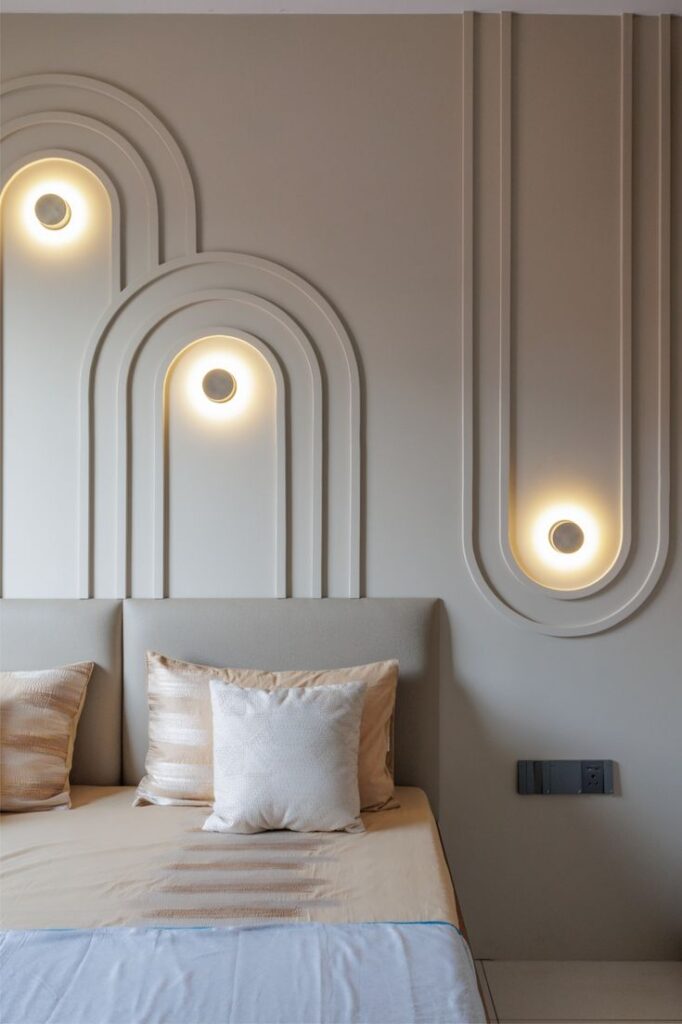
What is Light Home Design?
It is the idea of creating spaces that use natural and artificial light in a balanced way. It is not just about brightness. It is about making your home feel open, warm, and peaceful.A good light design reduces the need for too many artificial lights during the day. It also helps improve mood and makes your interiors look more attractive.
Why Light Matters in Home Design
It has a strong impact on the overall look and mood of a home. Spaces with poor light can appear cramped and lifeless, whereas well-lit areas feel open, inviting, and full of energy.
Improves Mood and Comfort
Natural light helps create a positive environment. It helps create a calm and cozy atmosphere, making everyday living more pleasant and comfortable.
Makes Spaces Look Bigger
Well-lit rooms appear more spacious. A compact room can appear more spacious when it is well lit.
Enhances Interior Elements
Light highlights textures, colors, and materials.It highlights the details of your furniture, walls, and décor, making them stand out more.
Key Elements of Light Home Design
To achieve a well-lit home, you need to focus on a few important elements. These work together to create a balanced and comfortable space.
1. Natural Light
Natural light is the most important part of light home design. It should be used as much as possible.
Large Windows
Install bigger windows wherever possible. They allow more sunlight to enter and improve ventilation
Open Layout
An open layout helps light travel freely across the space. Avoid too many walls that block light.
Glass Elements
Using of glass doors or partitions are helps spread light evenly across rooms
2. Light Color Palette
Colors play a big role in how light behaves inside a room.
Use Neutral Shades
White, beige, and soft grey reflect light better. These colors make rooms feel brighter and cleaner.
Avoid Dark Walls
Deeper shades tend to soak up light, which can make a room feel more compact.
Soft Contrasts
Use light tones with subtle contrasts instead of heavy color combinations.
3. Smart Lighting Choices
Natural light alone is not enough. Artificial lighting should support it, especially in the evening.
Layered Lighting
a mix of ceiling lights, wall lights, and lamps to create balance.
Warm Lighting
Soft warm lights create a cozy and comfortable feel.
Task Lighting
Add focused lights for areas like kitchen counters, study tables, and workspaces.
Reflective Surfaces
Reflective materials are great for bouncing light around a room.
Mirrors
Mirrors are one of the simplest ways to brighten up a space. Try placing them across from windows for the best results.
Glossy Finishes
Incorporate glossy tiles, polished surfaces, or glass decor to help reflect light.
Metallic Accents
Small metallic elements can also help spread light subtly.
5. Embrace Minimalism
Having too many items around can block out light and make a room feel cramped
Keep It Simple
Opt for only the furniture and decor that you truly need.
Clean Layout
An organized and tidy space lets light flow freely throughout
Functional Design
Make sure every piece serves a purpose. Steer clear of overcrowding.
Common Mistakes to Avoid
Even the simplest errors can really impact the lighting in your home.
Blocking Natural Light
If you have heavy curtains or big pieces of furniture close to your windows, they can really cut down on the light coming in.
Using Only One Light Source
Relying solely on a single ceiling light can lead to some pretty uneven lighting throughout the room.
Overusing Dark Colors
Too many dark colors can make your space feel cramped and closed off.
Ignoring Corners
Dark corners can make a room seem smaller. Be sure to add some lighting in those areas where it’s needed!
How to Begin Your Journey with Light Home Design
If you want to give your home a fresh look, start with some easy, manageable tweaks.
Take a Look at Your Space
Identify which areas bask in natural light and which ones are a bit dim.
Make Simple Adjustments
Opt for lighter color palettes, rearrange your furniture for a new vibe, and consider adding mirrors to reflect light.
Upgrade Your Lighting Gradually
No need to overhaul everything in one go—improve your space step by step.
Conclusion
Light home design is all about crafting a space that feels airy, open, and inviting. By harnessing natural light, picking the right color palette, and incorporating the right lighting fixtures, you can give your home a fresh look without needing a complete overhaul. A well-lit home not only enhances its appearance but also makes it a more enjoyable place to live day in and day out. Thoughtful choices can lead to significant improvements, proving that sometimes, less really is more.
FAQs
1. What is light home design?
Light home design is all about making the most of both natural and artificial lighting to create spaces that feel airy, fresh, and inviting for everyday living.
2. How can I increase natural light in my home?
To bring in more daylight, consider installing larger windows, using glass features, choosing light, sheer curtains, and keeping your layout open and clutter-free.
3. Which colors are suitable for a bright home?
Colors like white, beige, and light grey are great choices because they reflect light well and help create a sense of spaciousness in your home.
4. Are mirrors helpful in light home design?
Absolutely! Mirrors reflect light throughout the room, helping to brighten the space and make it feel more open.
5. Can small homes benefit from light design?
Definitely! A thoughtful lighting strategy can work wonders in smaller homes, making them feel more spacious and comfortable.